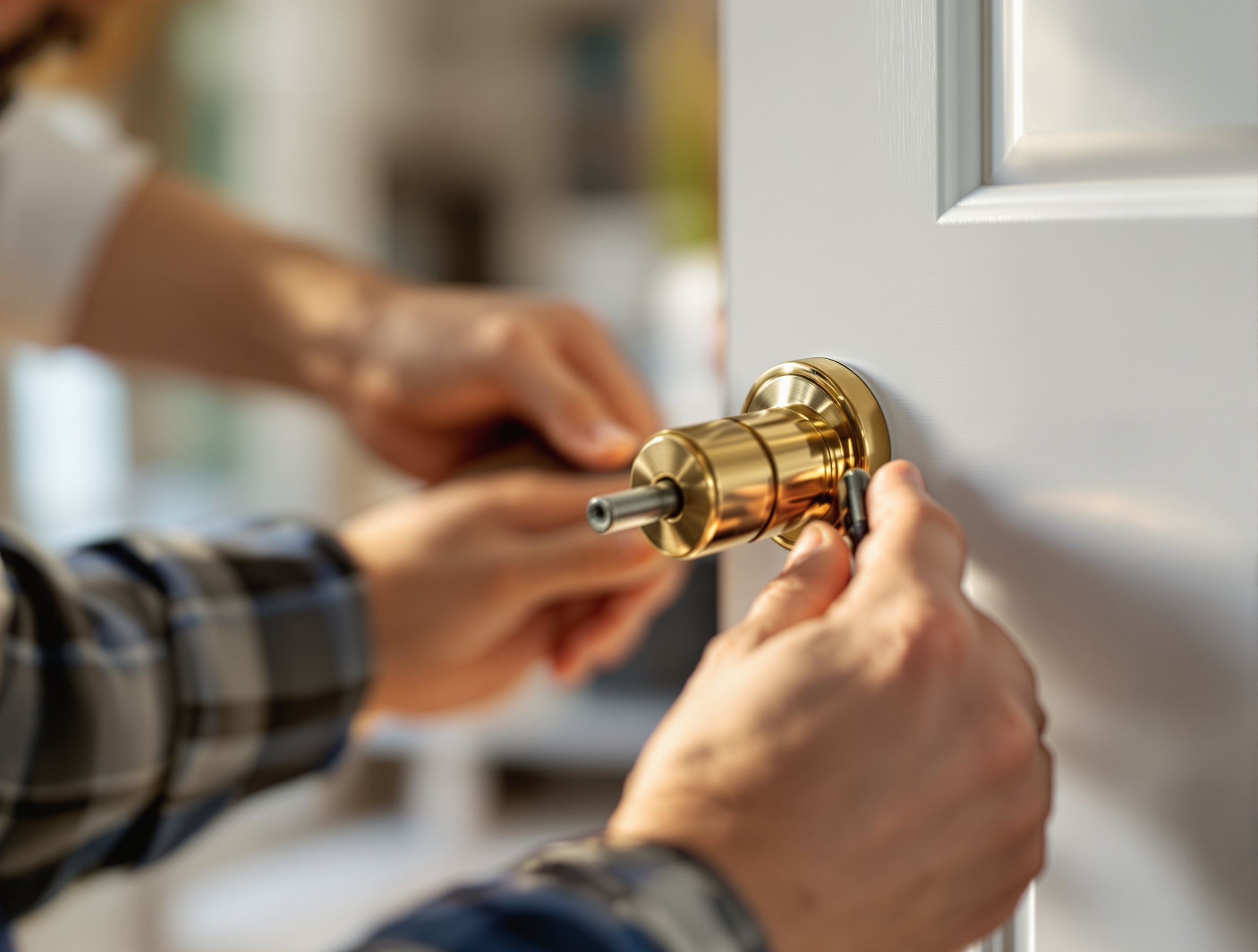

A door latch that refuses to open is one of the most common yet frustrating household problems. Whether it is a sticking latch, a handle that turns but does not retract the bolt, or a latch that is completely jammed, understanding the cause helps you fix it quickly. Here is Keys4U's comprehensive troubleshooting guide.
Common Causes of a Stuck Door Latch
Door latches fail for several reasons, most of which are straightforward to identify:
- Door misalignment: As doors settle or hinges wear, the latch may no longer align with the strike plate
- Worn or dirty latch mechanism: Dust, dirt and dried lubricant can cause the latch bolt to stick in the casing
- Broken spring: The internal spring that returns the latch bolt may have snapped
- Loose or broken handle: The spindle connecting the handle to the latch may be worn or disconnected
- Temperature and humidity: Seasonal expansion and contraction of timber doors can affect latch operation
Quick Fixes to Try First
Lubricate the latch: Spray a graphite or Teflon-based lubricant into the latch mechanism through the keyhole and around the latch bolt. Avoid oil-based lubricants that attract dust and gum up over time. Work the latch repeatedly to distribute the lubricant.
Check door alignment: Close the door and observe whether the latch bolt meets the strike plate squarely. If the latch hits above or below the plate, the door has dropped on its hinges. Tightening or adjusting the hinges may restore alignment.
Inspect the strike plate: A damaged or poorly fitted strike plate can prevent the latch from engaging or disengaging smoothly. Check for loose screws, worn edges or misalignment. Sometimes simply adjusting the strike plate position resolves the issue.
When the Handle Turns But the Latch Does Not Move
If your handle rotates freely but the latch bolt stays extended, the spindle connecting the handle to the latch is likely broken or disconnected. This requires removing the handle and inspecting the spindle. A replacement spindle is inexpensive and easy to fit.
When to Replace the Entire Latch
If the internal spring is broken or the latch mechanism is worn beyond repair, replacement is necessary. Tubular latches are inexpensive and relatively easy to replace on standard internal doors. For mortice latches on external doors, consider upgrading to a higher-security model while the lock is disassembled.
Preventing Future Latch Problems
Regular maintenance prevents most latch issues. Lubricate door mechanisms annually with a dry graphite lubricant. Check and tighten hinge screws every few months. Address door alignment problems promptly before they cause latch wear.
When to Call a Locksmith
If DIY fixes do not resolve the problem, or if the door is an external security door, call a professional locksmith. Attempting to force a stuck lock can cause damage that makes the problem worse and more expensive to fix. Keys4U Locksmith resolves latch and lock issues quickly and without unnecessary damage.
For professional latch and lock repairs, contact Keys4U Locksmith. We diagnose and fix door hardware issues efficiently, restoring smooth operation to your doors.